
It appears we are approaching a time when natural disasters are a growing global concern for what we like to call “(our) life on earth”. Where commonplace engagement between nature upon humanity feels inevitable. When this is the case, how do we begin to preserve the memory of lost things? What would we save? Ourselves? And how could we save it?
The tale of the three little pigs, regardless of its varied endings, in the context of resiliency, conveys the importance of learning from the past – using brick as oppose to straw, a metaphor of protecting ourselves against larger forces we encounter, the wolf being a stand-in for stronger entities like natural weather systems. We can apply the tale of the three pigs to how humanity chooses to learn from and react to catastrophe, and what we can do to minimize physical, economic, social, and emotional devastation.
How will we create our future memories?
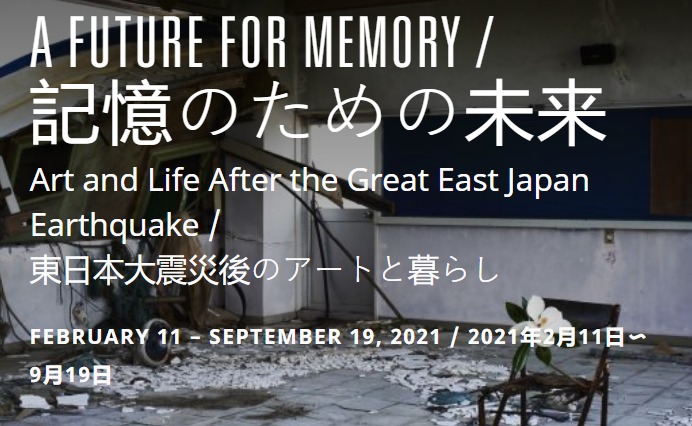
The exhibition, A Future For Memory, (MOA, UBC: Feb 11th – Sept 19th, 2021) explores The 2011 Great East Japan Earthquake – arguably a triple catastrophe of an earthquake, tsunami and nuclear disaster.
Based off this specific study, the exhibition posits the question of how we may record memory in a time where we may feel a permanence in physical loss.
When something like a natural disaster can disrupt every iota of a town, community and countless families – how do we recall humanity’s memory from the past and propel a present sense of impact caused by such events? What could we do with such knowledge?
The works in the exhibition trigger memories, emotions and imagination. They serve as more than objects of memory; they remind us of the force of nature and the continuous efforts of survivors to rebuild their lives. There is a future for memory through the creation of connections that will be passed on for generations to come.
Museum of Anthropology, university of british columbia
How do we record memory?
Through Traces of Trees

Masao Okabe is an artist based in Hokkaidō, and has continued to create works that evoke memories inherent in objects through traces left by places and time, using various techniques including frottage.
As a result of the nuclear fallout, the country was forced to fell many old growth trees that became casualties of radiation contamination. Before this could happen, Okabe and a team of dedicated assistants and guides managed to record the land’s memories by creating massive scale frottages of these gentle giants.
A frottage of just a single tree takes up multiple spreads of large pieces of paper and still are unable to cover just a small section of these towering bodies.
The multitude of patterns communicate unique beauty and an awe at the organic, imperfect geometry of biological nature.
These unique designs echo the specialness of a human fingerprint, in a way creating personhood for non-human life that has also been affected by such disasters.

“Animals and humans live thanks to trees. It is not that humans planted trees, but trees planted humans. when we touch the irradiated igune and forest trees in Fukushima, we are feeling the surface of a time period that is far longer than what humans have known”
Through Photography and Flowers
Osaka-born artist Atsunobu Katagiri, known for his mastery of ikebana flower arranging, lived in a town near the nuclear plant for eight months. He says he was overwhelmed by the devastation and felt driven to set up floral arrangements at the site to honour all that had been lost.
–words by Gallerieswest.ca

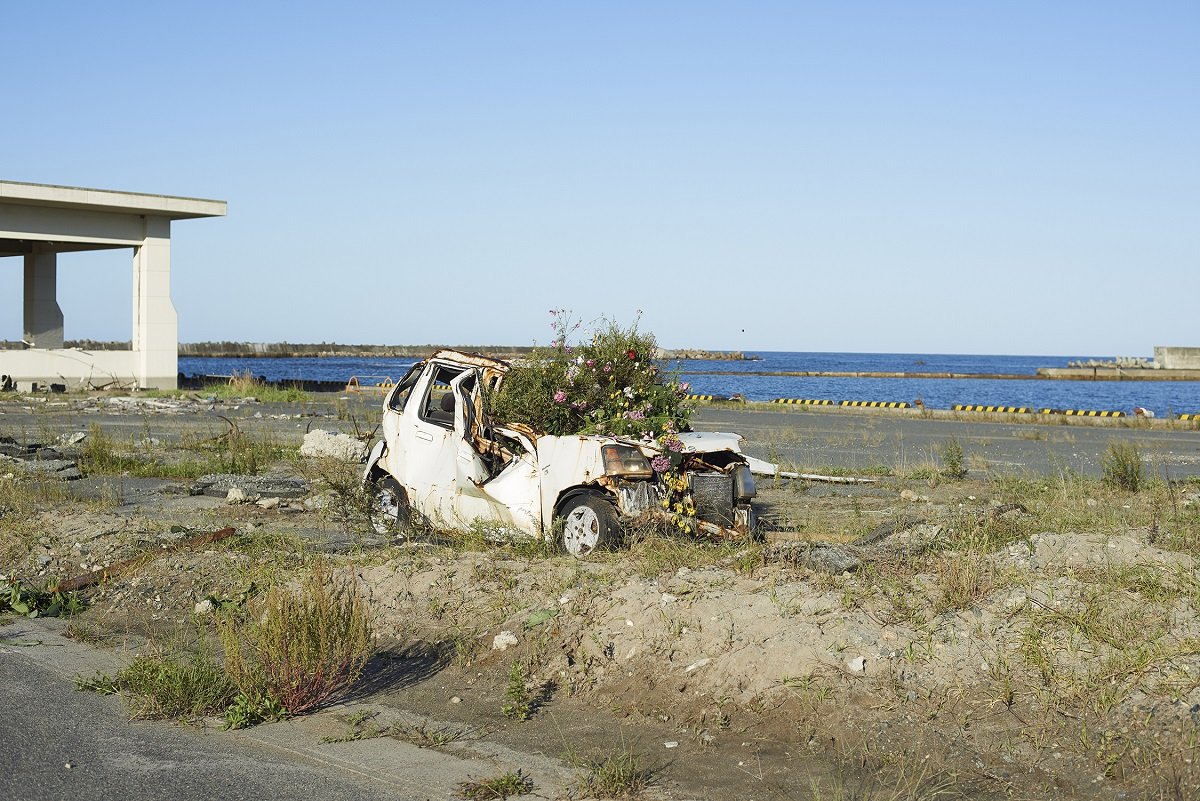
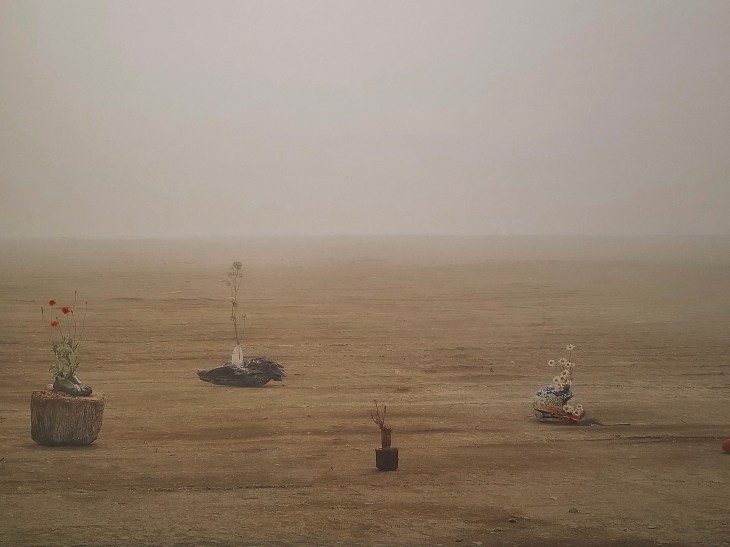
We move to smaller elements. Mundane items of daily life serving as flower pots. You wonder why has the artist put them in boots, water jugs, a helmet. You remember the context for clarity. These were people’s belongings. They were never vases. Or the replacements of vases.
Finding a strange assortment unnaturally together. Fragments of a past life. Items no longer part of the rituals of daily balance. Unable to go back to their usual places. With us. Or in our homes.
Necessities lost or abandoned unwillingly.

Together the flowers and the items they’re placed in convey how delicate we – and our way of life is. The flowers are reminders of lives that once inhabited these items. The people whom these items belonged to. Fragile bodies, like flowers. So quickly can it be washed away. Like petals blown away in a fast wind.
Our nature, shared with other life forms, is delicate. In a flower we can see all of life’s presentations.
Also a symbol of our fervor for renewal – the flower arrangements are arranged where the stems look as if they’re sprawling out of the confines of their tattered vessels. Growing through and out of chaos.
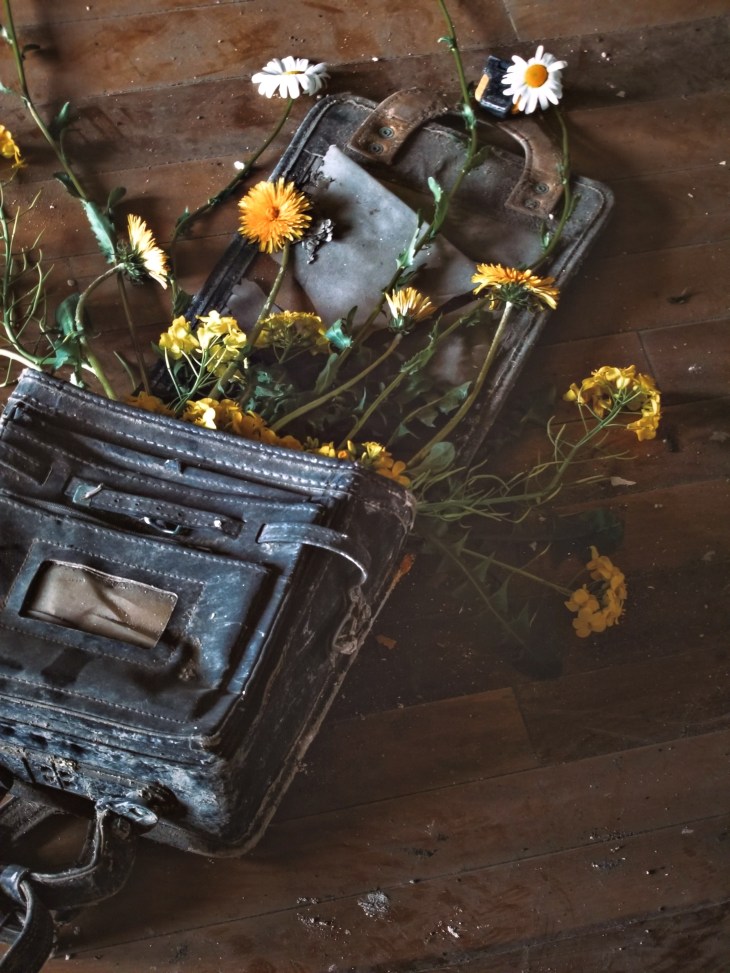
Flowers, fresh and vibrant, reaching outward from the past. Symbolizing continuation of life and the possibility of our future – Similarly, in the way those whose worlds were caught up in this disaster have undergone a rebirth of their own since then. Their towns, also reborn. Despite starting from a past, a time, a place of broken memories.
Through A Sea of Photographs
words annotated from exhibition
The “Lost & Found” and “Omoide Salvage” Projects.
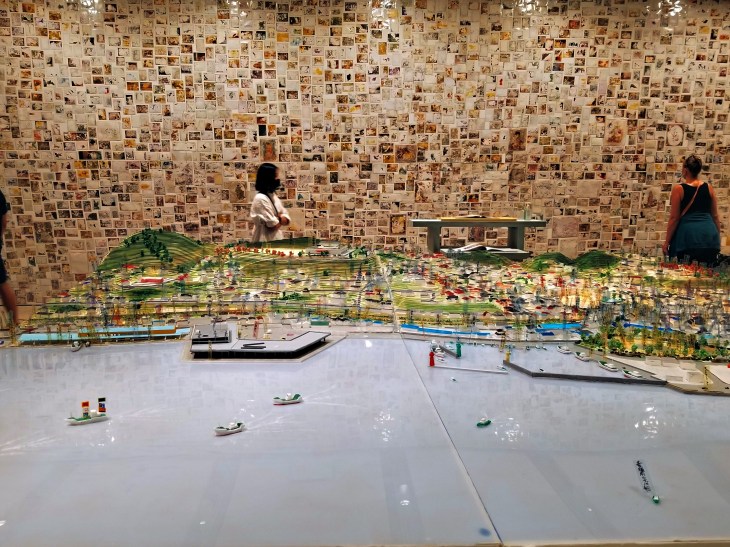
Numerous family albums and photographs carefully kept at home were swept away along with houses by the tsunamis triggered by the Great East Japan Earthquake.
“Omoide (memory) Salvage” is a project that was established to salvage and clean these weathered photos in the hope of having them reunited with their owners by making full use of information technology. We are continuing our efforts to return around 750,000 salvaged photos to their owners. Such photo salvage projects were also launched in many disaster-affected areas.”
These rescued photos were saturated with seawater and full of bacteria, and so were deteriorating daily; they needed to be cleaned promptly and saved through digitization.

Among the photos salvaged are those with truly significant damage.
Instead of destroying and throwing out these photos, we started another project entitled “Lost & Found”, exhibiting these heavily damaged photos as a way to share our experiences.

Conclusion:
Building a future from memories
This exhibition is a reminder of the reality of the past and future. This happened before and most definitely will happen again. What has been painfully obvious to me is the lack of protection we may provide ourselves and the magnitude of devastation incurred when our infrastructure has failed to recognize the reality of macro-climates that can affect our way of life either in long form or its potential to permanently eradicate the entirety of such spaces.
Can restructuring our living and working spaces be a possibility for the future and who is thinking of these changes? Houses made of wood, very much preferred for their economic and revenue-focused plumpness has left us vulnerable to nature and will continue to do so.
When will we change the way we think of homes and structures that uphold our daily living and who will be the one to change this seemingly outdated mode of existence.
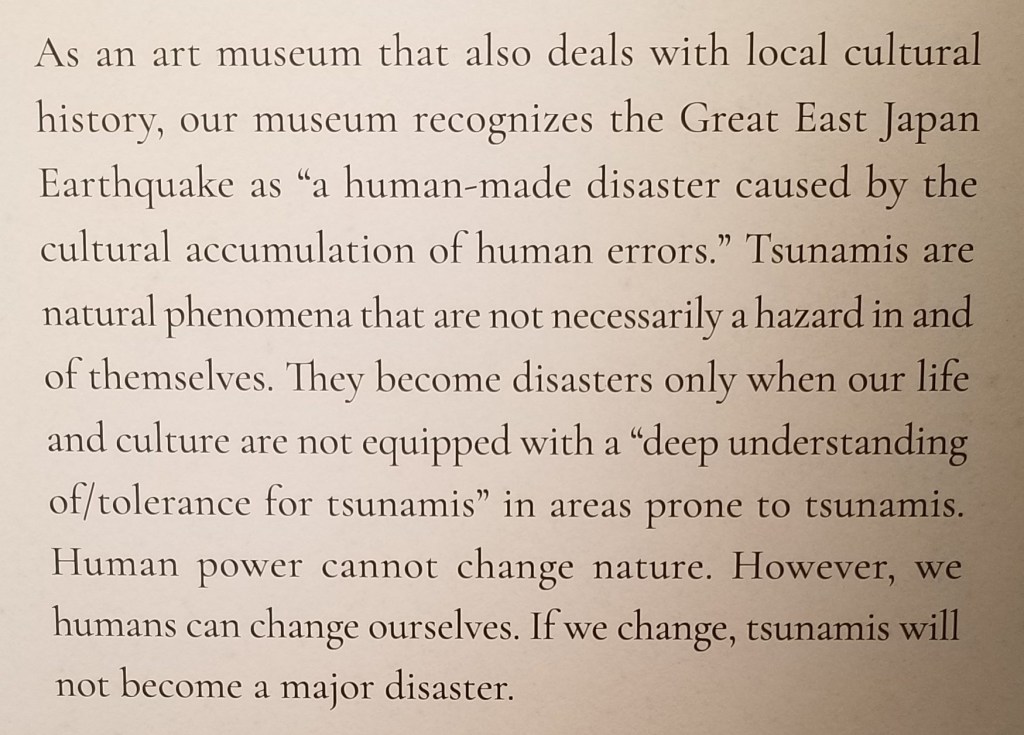
The final, following quote is a message of accepting the reality and not to allow yourself to create a hatred to nature and natural occurrences – but rather a reflection on our attitudes, and whether the way we treat these situations as a call to action, asking us to change ourselves and, hopefully, improve our modes of living to pay respect to the more powerful and indiscriminate forces of our planet.
 Arts . Culture . Ideas