Wabi-Sabi challenges homogenous beauty. Through it, the observer can question “beauty” developed from western materialistic culture.
Wabi-Sabi is a Japanese aesthetic. More importantly, it’s an aesthetic experience.
Requesting some use of the imagination: it can take the shape of intangible movement, at least, to the unaware eye, it is perceived as such.

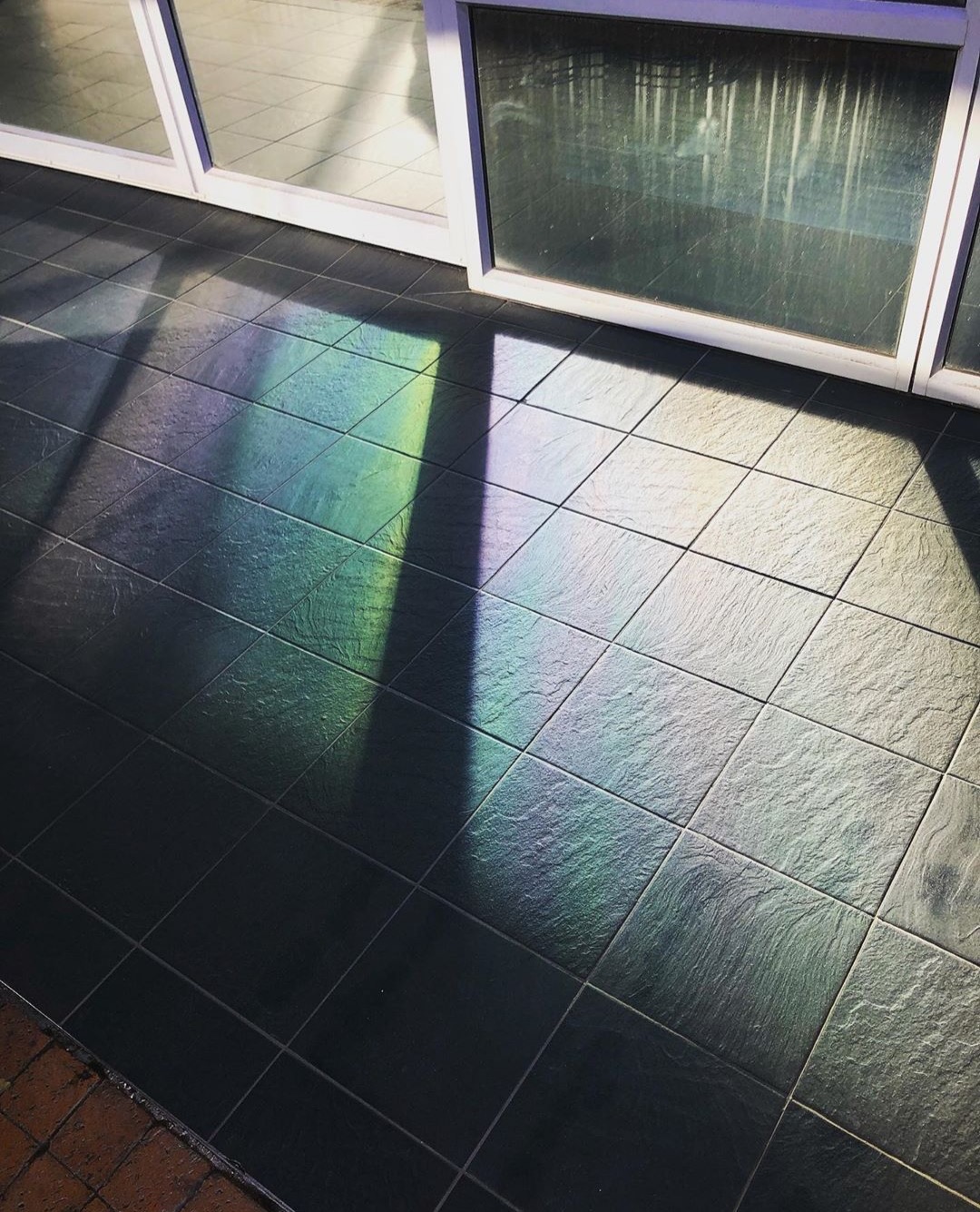

By virtue of its nature and less than the fault of the observer, Wabi-Sabi is easily overlooked, believed trivial, unimportant. Not worthy of personal attention.
But for the aware eye:
Wabi-Sabi challenges homogenous beauty. Through it, the observer can question “beauty” developed from western materialistic culture.
Wabi-Sabi “imperfection” is a serendipitous beauty. At the same time, speaks to imperfect beauty of human existence and the attraction to natural beauty’s inherent imperfectionisms.
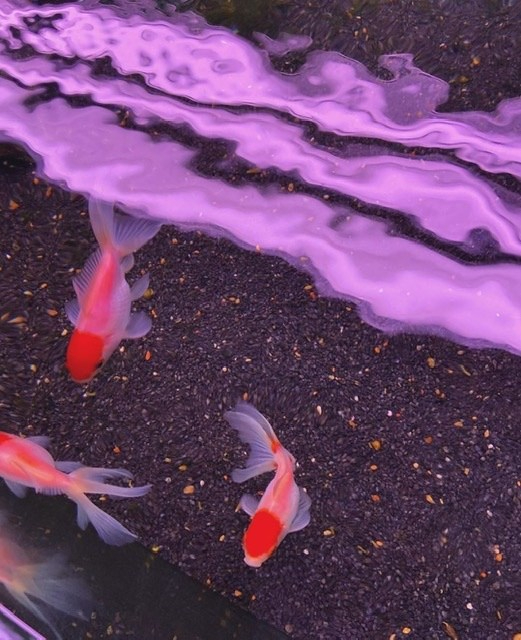


This is where we begin to conceive a poetic irony of Wabi-Sabi’s emphatic “anti-aesthetic” nature.
An evasive mode not meant to be easily observed. Being purposely obscure. Arguably based in the ‘feeling’ experience of something that embodies the wabi-sabi aesthetic mode.
It can be described as the feeling of ‘aliveness’ in objects or things. Like the onset of rust on metal or the (dis)coloration of the elements onto wood. Non-linear lines, blurred distinctions, distorted shapes. All is wabi-sabi.
Some things, like the wabi-sabi effect, cannot be captured or fixed in time and space. Unless aided by a photographic lens and an artist’s perceptibility.
A PHOTOGRAPHER’S PERCEPTIVE EYE
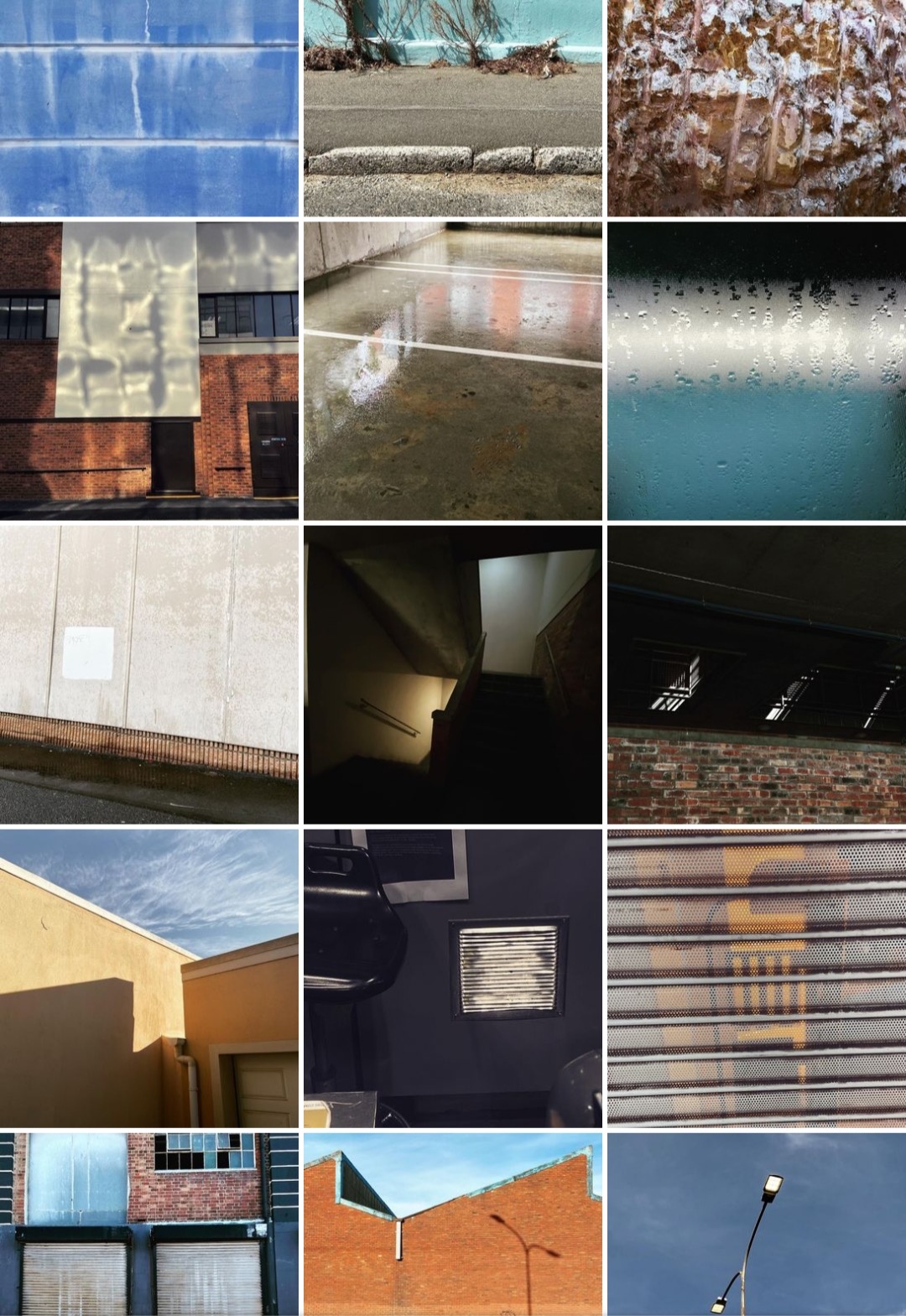
Tariq Munshi is a photographer and videographer based in South Africa. Already introduced by the images you see conveying Wabi-Sabi aesthetic, his approach to his work is founded in the quest to bring permanence to the fleeting and the liminal, with superficial overlap as the mundane.

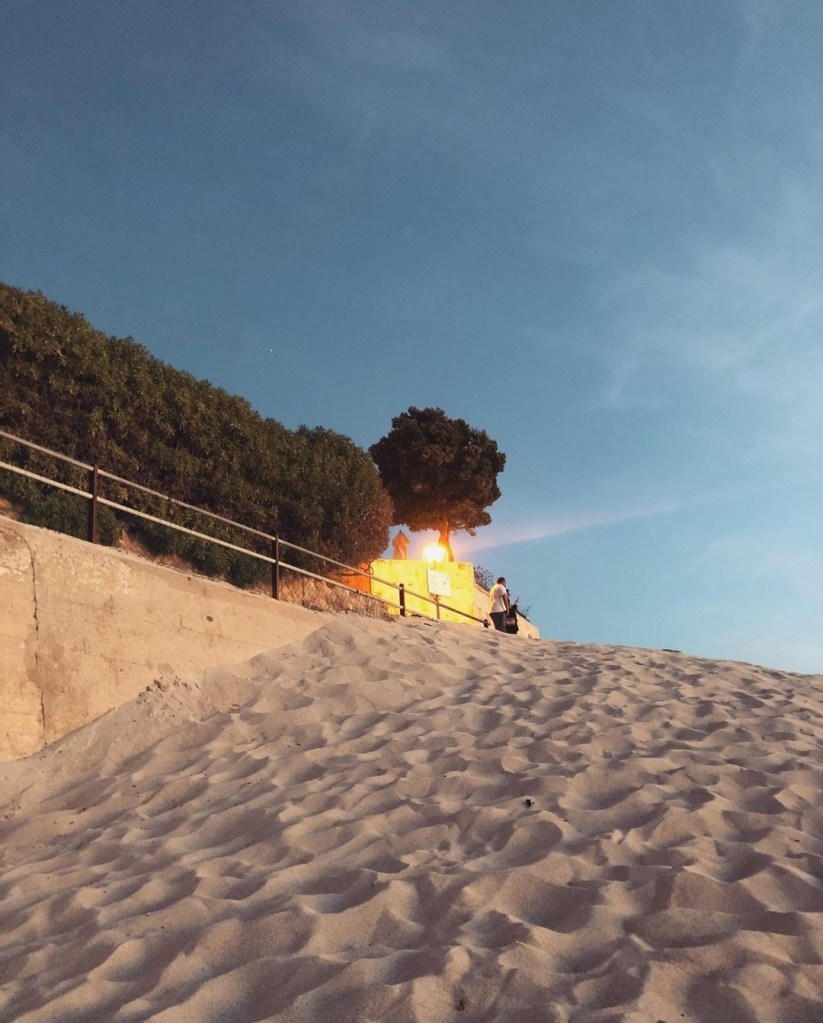
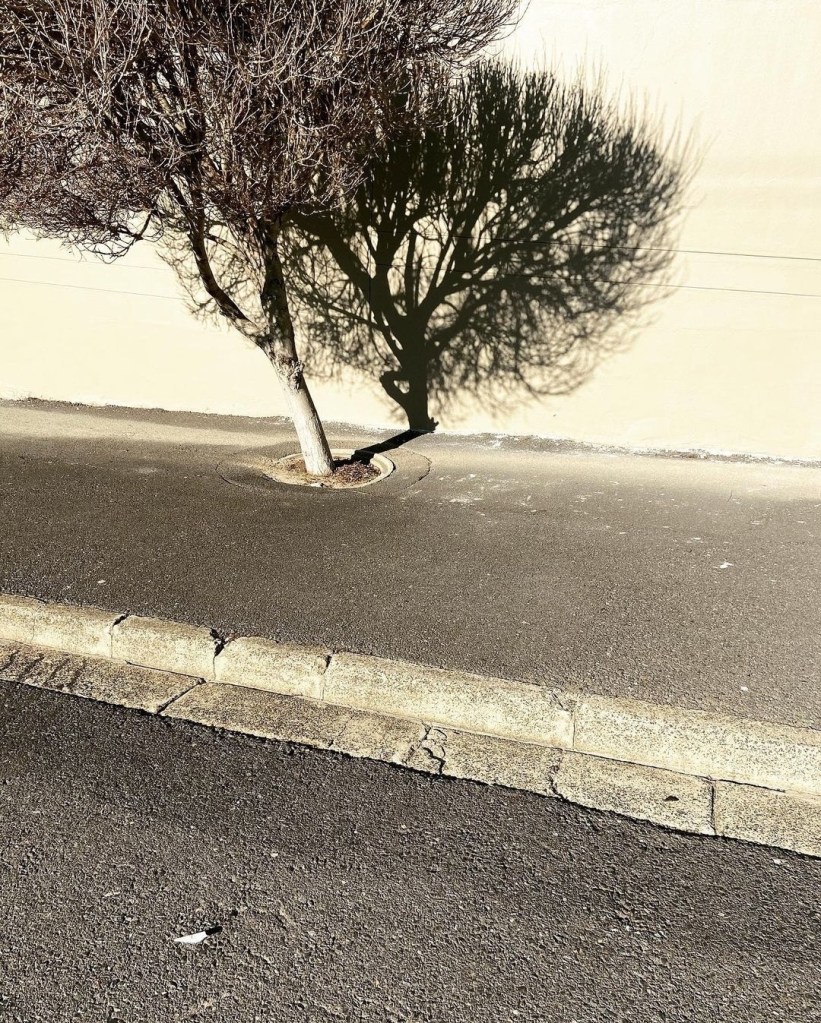
I’m fascinated by [certain aspects] of everyday life. I like to decontextualize details, landscapes, architecture, allowing them to stand alone as alien images.
Tariq Munshi, words from the artist
His work demonstrates the interplay of elements in a mode of transience, reflecting the phantasmic echoes of liminal ‘voids’. An emptiness With presence. An emptiness considered ’taking up space’.
The real world is dependant only on a consciousness to perceive it. When attention is focused on them, the specialness of objects or moments becomes more and more apparent.
Wabi-Sabi is based on effortless, uninterrupted interactions with real (actual) things in the real (actual) world. It is accurate to say that Wabi-Sabi “occurs”.
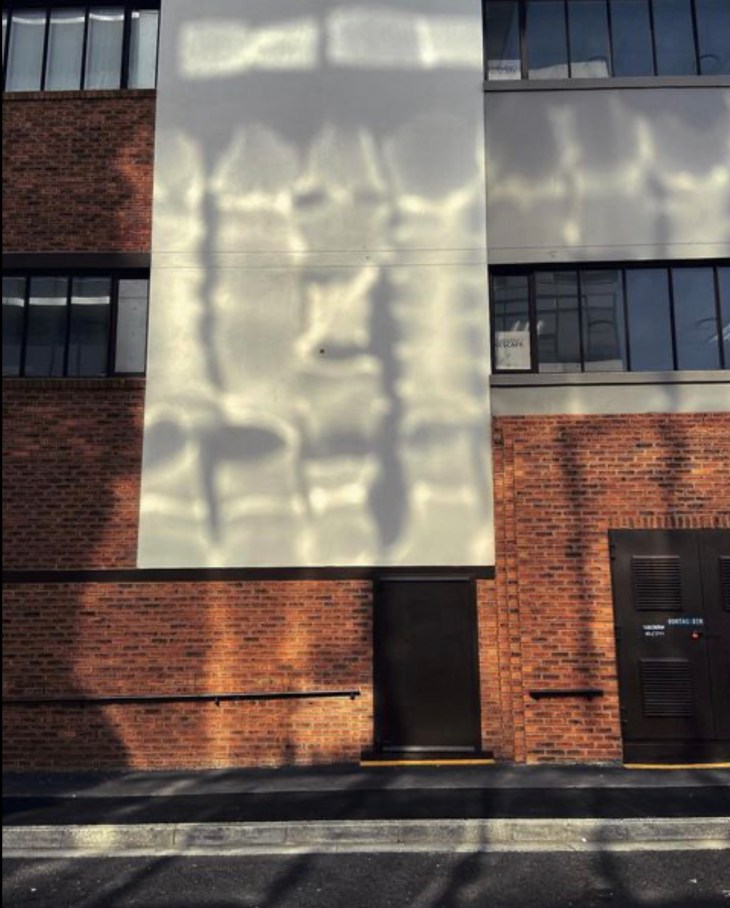

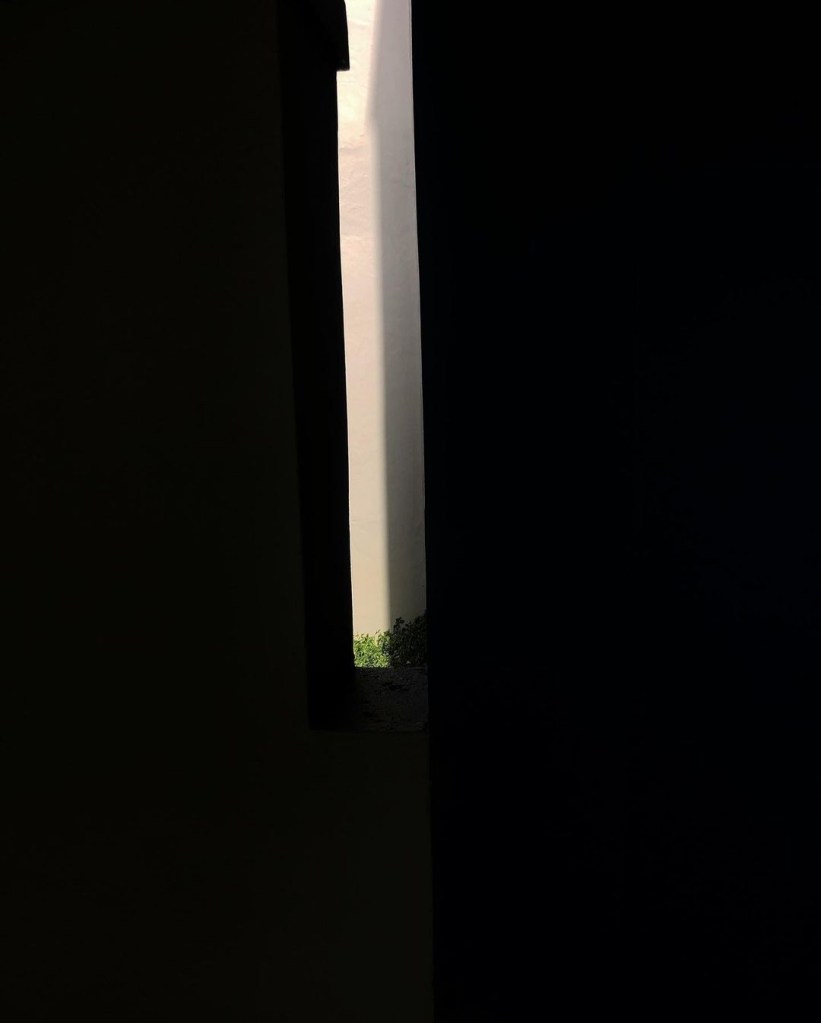
Tariq attempts to articulate a full bandwidth of actual reality through photographs. His images portray aspects of subtlety: the extremely precise & delicate, the vague, the amorphous, the ambiguous. The otherwise difficult to perceive, analyze, or describe.
Refining this mode of perception helps find beauty in the unconventional. A beauty from an alternate universe, removed from a thirst for ‘perfectionism’ (a flat, one-directional standard).
In its stead, it is multi-dimensional, complex, intricate.


A beauty removed from materialism.


An image, of course, only captures an aspect of the full wabi-sabi moment. True wabi-sabi, is being there. Unfortunately, only the photographer feels a complete state of wabi-sabi during and within the transfer of moment onto digital permanence. Unless, we too take time to find space where we evoke our own state of wabi-sabi, through mindful observation and an appreciation for natural art & imperfect beauty.
 Arts . Culture . Ideas